



National Professor Dr. A.K. Azad Khan
Welcome Message
Counting down to the summit
00
Days
00
Hours
00
Minutes
00
Seconds
International Prevention Summit 2026
August 6, 2026 8:00 AM – 4:00 PM
Hotel InterContinental, Dhaka, Bangladesh
Uniting Faith, Science & Community
for a Healthier World
Together We Can Prevent Diabetes
To join IPS 2026 please visit below Facebook page on 6th August 2026
IPS 2026
Faith
For Inspiration

Science
For Evidence

Community
For Action

World
For Impact
Organized & Supported By










Welcome Message
Documentary
The Vision
When places of worship become places of prevention, health reaches everyone. The Dhaka Declaration turns the trust of imams, priests, and monks into a proven, community-driven model for stopping diabetes before it starts.

About the Summit
The International Prevention Summit 2026 marks the launch of the Dhaka Declaration on Faith-Based Diabetes Prevention — a global framework born from Bangladesh's pioneering Diabetes Prevention through Religious Leaders (DPRL) programme.
Hosted by BADAS and the Centre for Global Health Research, the summit unites governments, faith institutions, and leading health organizations around a proven, community-driven model for preventing diabetes and other non-communicable diseases.
Event Introduction
The shared purpose guiding the summit and the Dhaka Declaration.
Our Vision
To establish a global movement where faith-based leadership and scientific evidence unite to prevent diabetes and improve population health.
Our Mission
To unite governments, faith leaders, health professionals, researchers, international organizations, and communities to promote evidence-based, culturally appropriate, and faith-inspired strategies for diabetes prevention; strengthen partnerships across countries and faith traditions; and launch the Dhaka Declaration as a global framework for collaborative action against diabetes and other non-communicable diseases.
Uniting Faith, Science & Community for a Healthier World
Faith for Inspiration · Science for Evidence · Community for Action · World for Impact
Legacy
The Dhaka Declaration aims to establish Bangladesh as the global hub for faith-based diabetes prevention and inspire countries worldwide to integrate faith communities into national strategies for preventing diabetes and other non-communicable diseases, accelerating progress toward the Sustainable Development Goals.
The Model
A faith-anchored pathway that carries risk awareness from the mosque to the clinic and into national policy.
 01
01
Community Screening
Early risk awareness through trusted local networks and Diabetes Corners.
 02
02
Faith-Inspired Motivation
Health behaviour change framed with care, dignity, and shared responsibility.
 03
03
Evidence & Policy
Research and implementation guidance aligned with national and global priorities.
 04
04
Global Dissemination
A declaration designed for adoption across countries and faith traditions.
Proven Impact
Results from Bangladesh's faith-based diabetes prevention programme.
43%
Relative reduction in diabetes incidence
100+
Mosques implementing the model
57
OIC Member States for dissemination
11
Global & national partner organizations
Event Hosts
Diabetic Association of Bangladesh (BADAS)
The Diabetic Association of Bangladesh (BADAS) is a nationally recognized, non-profit, non-governmental socio-medical organization established on 28 February 1956 by National Professor Dr. Mohammad Ibrahim. Operating under the Social Welfare Act of the Government of Bangladesh, BADAS is the largest diabetes association in the world and the second-largest healthcare provider in Bangladesh after the government. Through a nationwide network of 130 hospitals and diabetes centres, 350 accredited centres, and 100 screening centres, BADAS provides comprehensive primary, secondary, and tertiary diabetes care to more than 6 million people, including free services for disadvantaged populations. The Association also contributes to health workforce development through medical, dental, nursing, and postgraduate institutions. In addition, BADAS leads public health programmes, research, professional training, and policy development through its Centre for Global Health Research (CGHR) and strong national and international collaborations, making it a regional leader in diabetes prevention, care, education, and research.
Centre for Global Health Research (CGHR)
The Centre for Global Health Research (CGHR) is the premier research and training centre of the Diabetic Association of Bangladesh (BADAS) and a leading institution for non-communicable disease (NCD) research in Bangladesh. CGHR has been recognized as a Centre of Excellence by the International Diabetes Federation (IDF), the WHO Global Diabetes Compact Forum, the Global Metabolic Health Alliance (GMHA), the Japan International Cooperation Agency (JICA), and the NCDC Programme of the Directorate General of Health Services (DGHS). The Centre conducts clinical and epidemiological research on diabetes, obesity, women's health, and young adult health while strengthening research capacity, developing national guidelines and educational resources, and translating research into evidence-based policy and practice through national and international collaborations.
Video Messages
Messages from government leaders and international partner organizations supporting the summit.
Play Video Message
Play Video Message
Play Video Message
Play Video Message
Play Video Message
Play Video Message
Play Video Message
Play Video Message
Play Video Message
Play Video Message
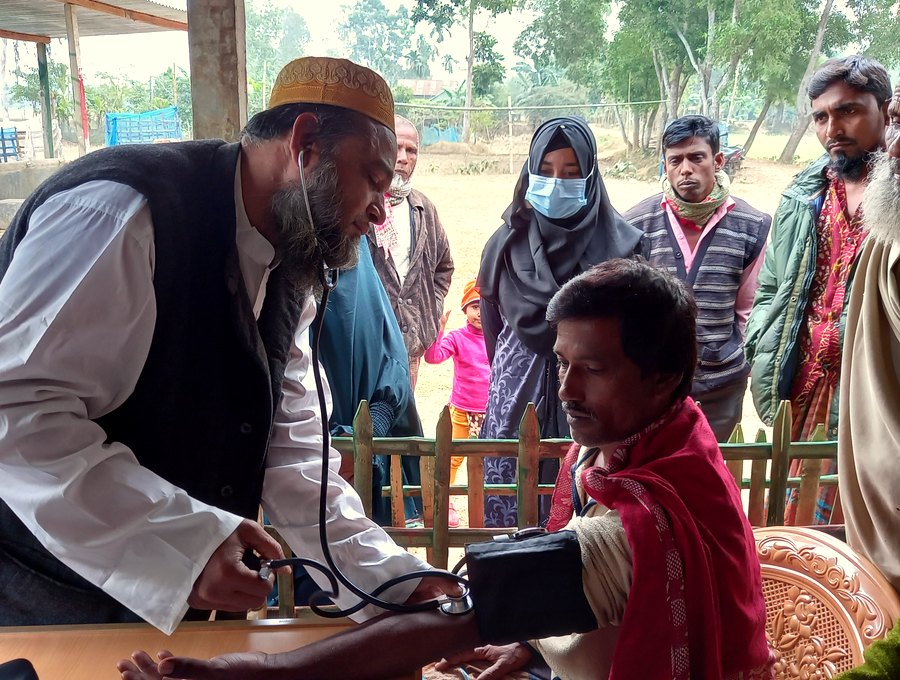
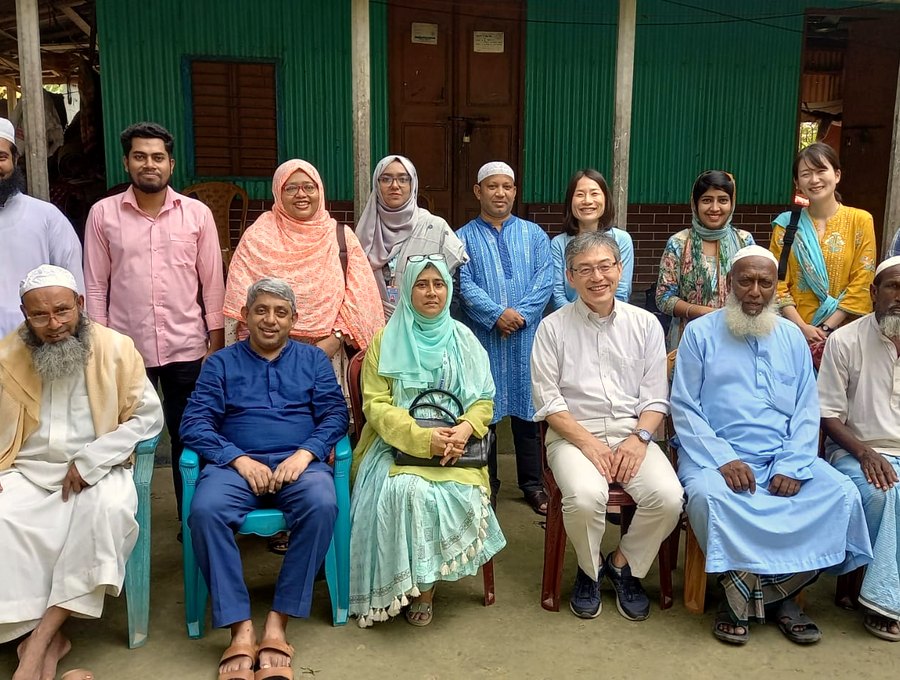
From the Field
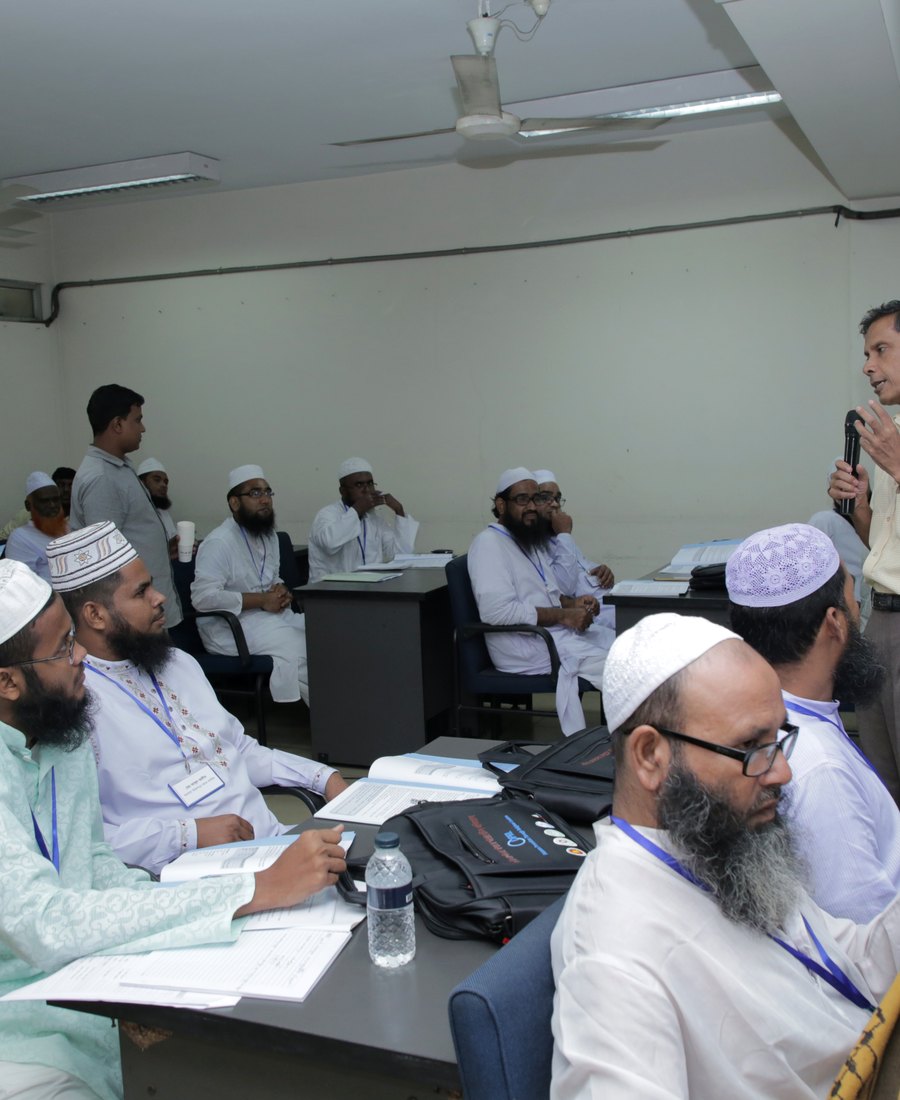
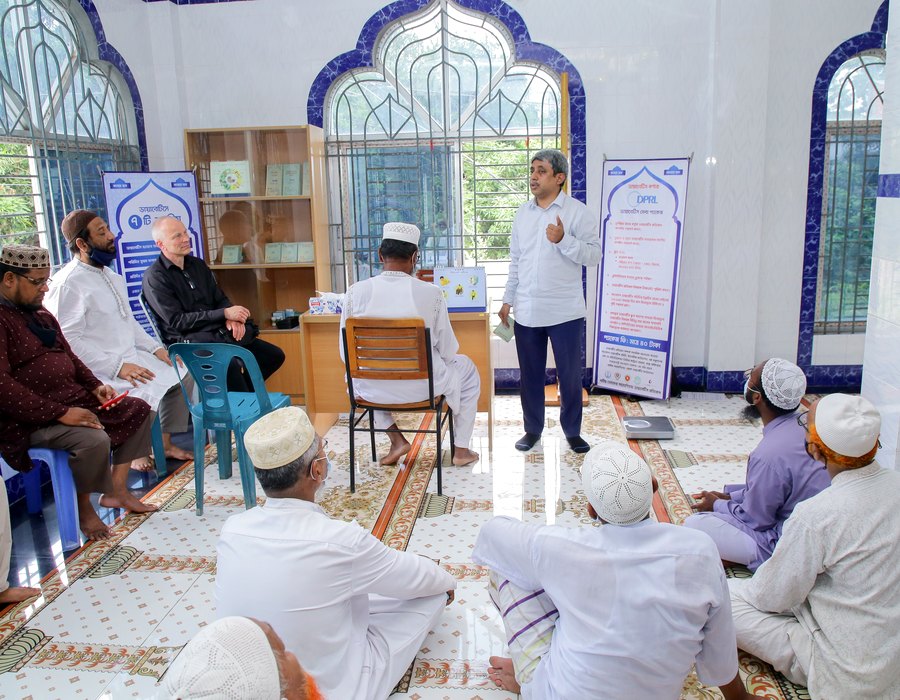
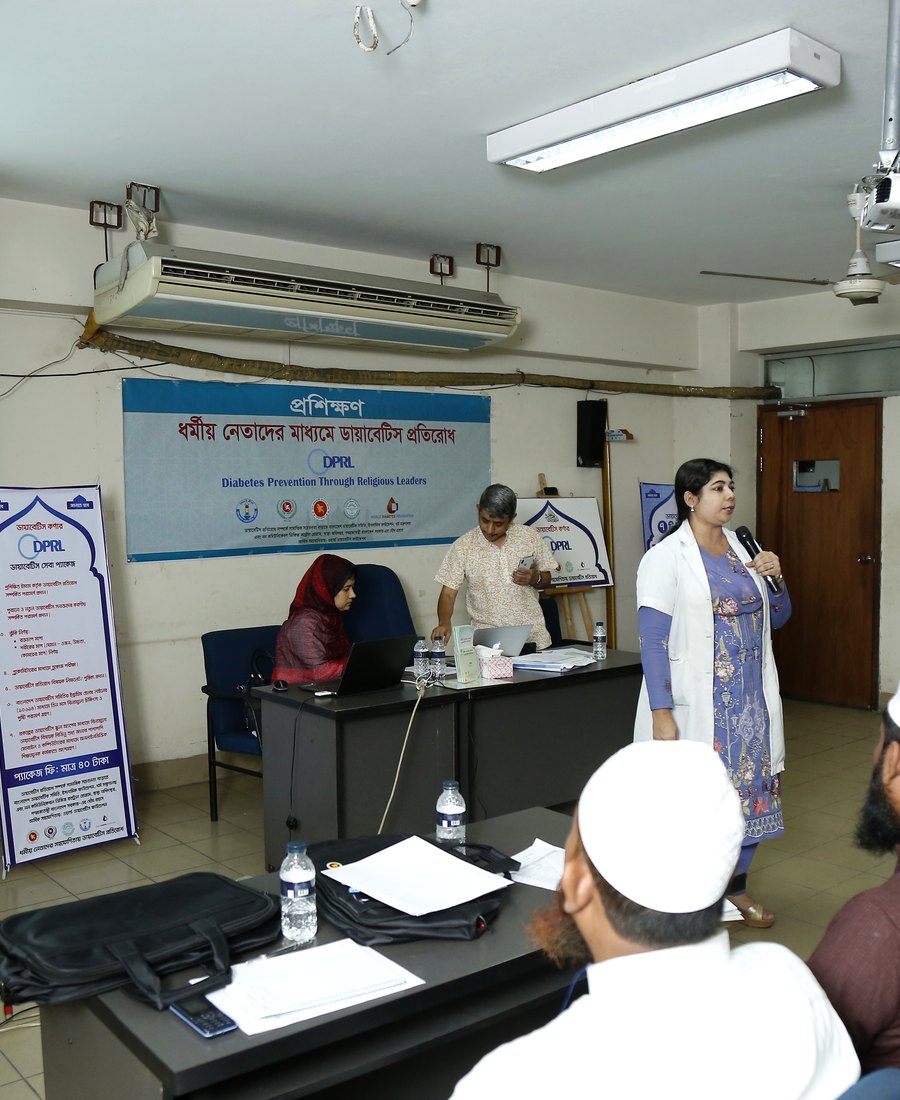
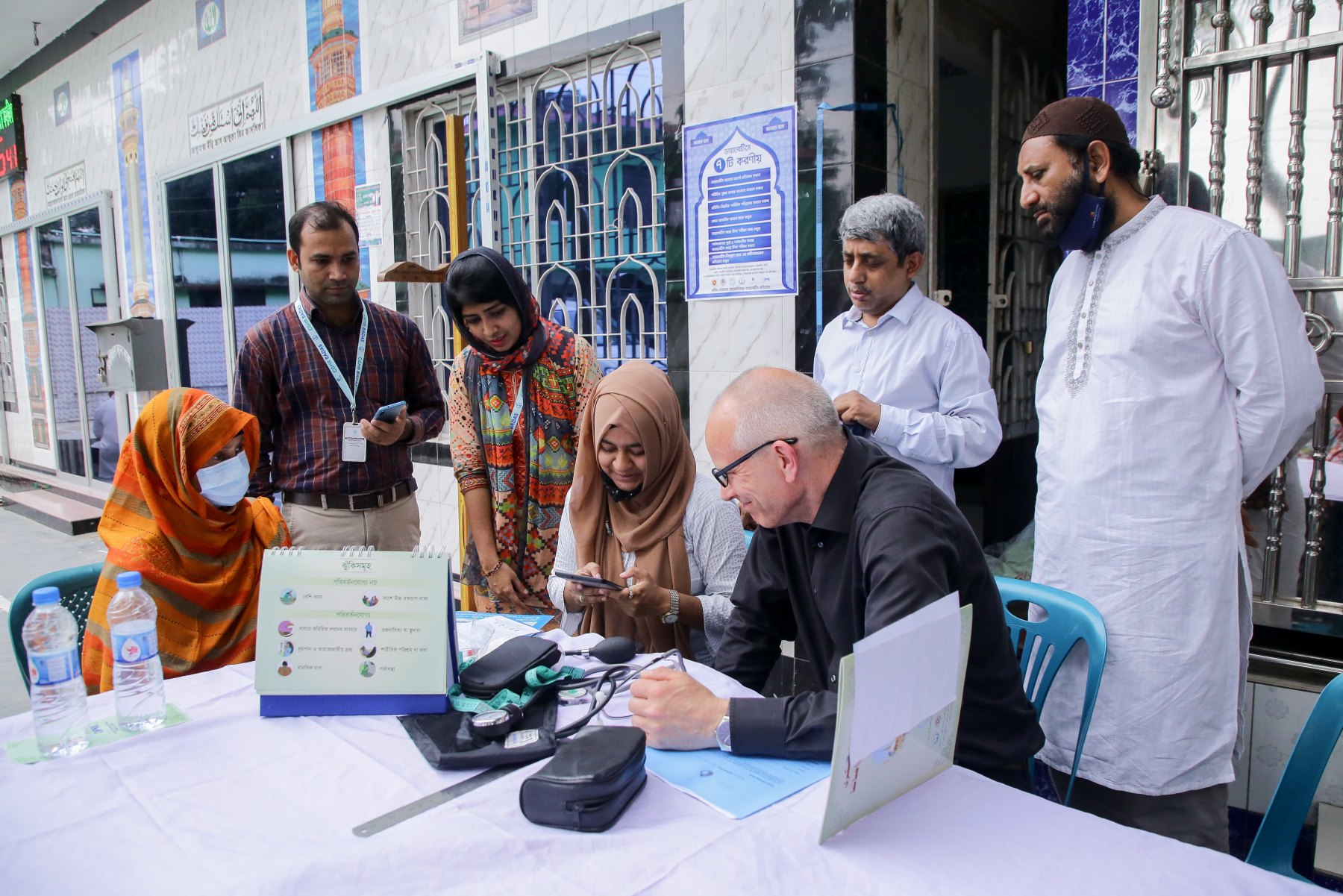
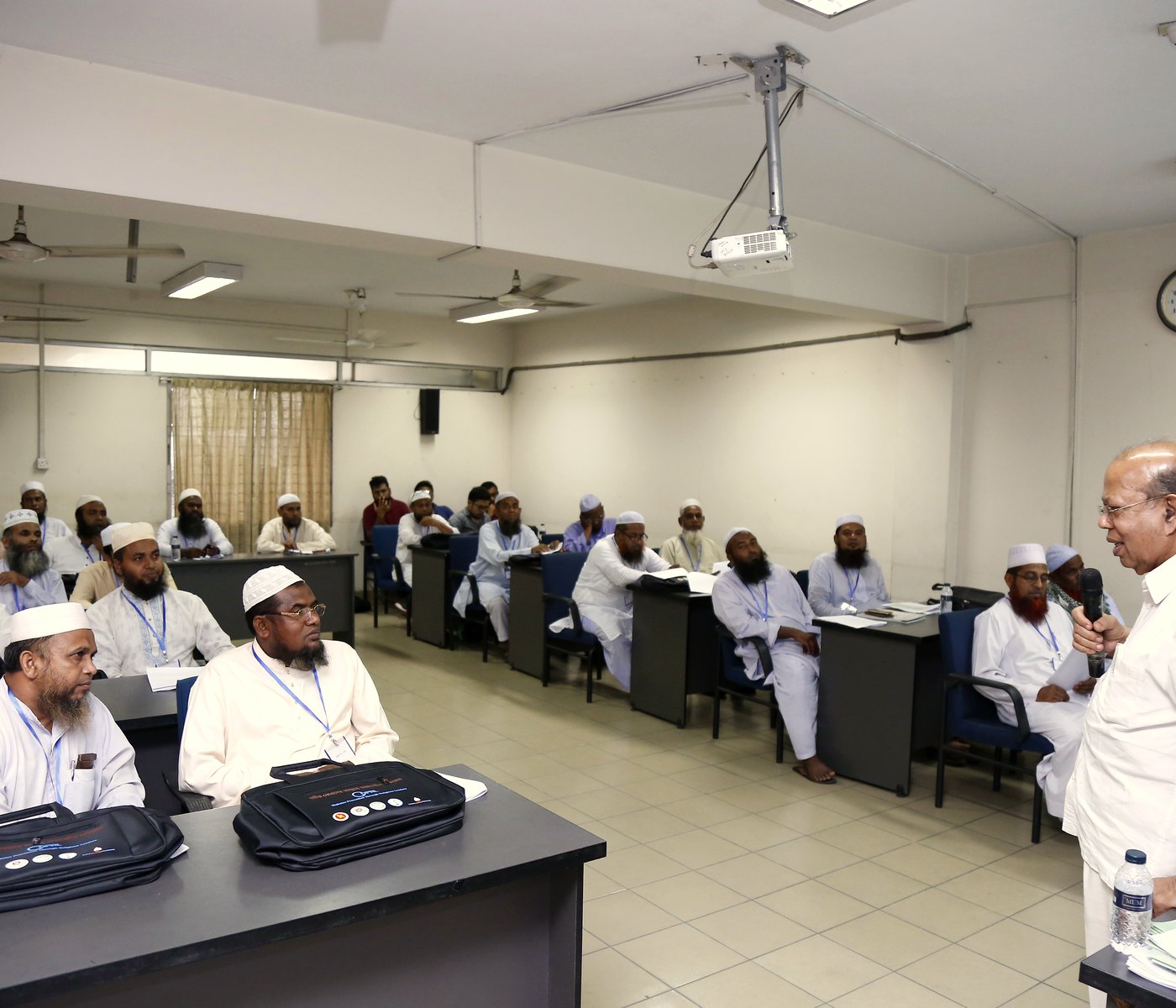
Imam training, community screening, and expert visits behind the DPRL programme.
Final Programme · Diabetes Prevention: Time to Act
Thursday, 6 August 2026 · 8:00 AM–4:00 PM · Hotel InterContinental, Dhaka, Bangladesh
Registration
Arrival of delegates and registration.
Opening Ceremony
Prayers, welcome address, video presentation, high-level opening remarks, and the launch of the Dhaka Declaration.
Prayers & Welcome Address
09:00 – 09:10
Video Presentation
09:10 – 09:15
High-Level Opening Remarks
09:15 – 10:30
International Organizations
Faith Leaders
Government of Bangladesh
Moderators
Launch of the Dhaka Declaration
10:30 – 10:45
Coffee Break
Refreshments and delegate networking.
Scientific Session I — Faith-Based Diabetes Prevention
The Bangladesh experience, national NCD integration, and regional and global leadership.
Chairpersons
Moderator
Topics & Speakers
Diabetes Prevention: Integrating into Bangladesh's National NCD Action Plan
Dr. M A Muhit — Hon'ble State Minister, Ministry of Health and Family Welfare
Faith-Based Diabetes Prevention: The Bangladesh Experience and Lessons for Global Scale-Up
Prof. Bishwajit Bhowmik
Global Leadership in Diabetes Prevention: The Role of the International Diabetes Federation (IDF)
Prof. Peter Schwarz
Advancing Diabetes Prevention in South-East Asia: The Role of IDF South-East Asia
Dr. Banshi Saboo
Scientific Session II — Global Partnerships for Diabetes Prevention
Partnerships across OIC Member States, IDF-MENA, WDF, and the WHO Global Diabetes Compact.
Chairpersons
Moderator
Topics & Speakers
Scaling Up Diabetes Prevention Across OIC Member States: Opportunities and Lessons
Prof. Abdul Basit
Strengthening Diabetes Prevention in the Middle East and North Africa: Regional Perspectives from IDF-MENA
Prof. Mesbah Sayed Kamel
Prevention of Diabetes and Gestational Diabetes: The Role of the World Diabetes Foundation
Mr. Mads Holst Jensen
Accelerating Diabetes Prevention Through the WHO Global Diabetes Compact
Ms. Sanjana Marpadga
Coffee Break
Refreshments and delegate networking.
Scientific Session III — Global Strategies for Diabetes Prevention
Service-delivery lessons, development cooperation, gestational diabetes prevention, and metabolic health.
Chairpersons
Moderators
Topics & Speakers
Prevention and Control of Diabetes Mellitus: Lessons for Service Delivery from Countries in the WHO-SEA Region
Dr. Pradeep Joshi
Advancing Diabetes Prevention and Care in Low- and Middle-Income Countries: The Role of JICA
Ms. Yumi Okazaki
Community-Based Strategies for Preventing Gestational Diabetes in Low- and Middle-Income Countries
Dr. Dinesh Agarwal
From Evidence to Impact: Scaling Up Metabolic Health for All
Dr. Amit Gupta
Scientific Session IV — Emerging Approaches in Diabetes Prevention
Lifestyle and pharmacotherapy, digital health, diabetes remission, and type 5 diabetes.
Chairpersons
Moderators
Topics & Speakers
Lifestyle or Pharmacotherapy — Evidence-Based Approaches to GDM Prevention
Prof. Shabeen Naz Masood
Harnessing Digital Health and Emerging Technologies for Diabetes Prevention
Dr. Amit Kumar Dey
Diabetes Remission: Emerging Evidence and Future Perspectives from South-East Asia
Dr. Manoj Chawla
Malnutrition and Type 5 Diabetes: Emerging Insights and New Opportunities for Prevention
Prof. Nihal Jacob Thomas
Prayer and Networking Lunch
Prayer break, delegate networking, and partner exhibition.
High-Level Round Table Discussion
Translating evidence into coordinated national and global action.
Discussion Areas
Facilitators
Closing Ceremony
Vote of thanks and closing remarks.